Bedding wears out quietly. A mattress doesn’t break overnight: it sags slowly, and guests are the first to notice, in their reviews. Knowing when to replace and how to plan it protects your reputation and your budget.
The tell-tale signs
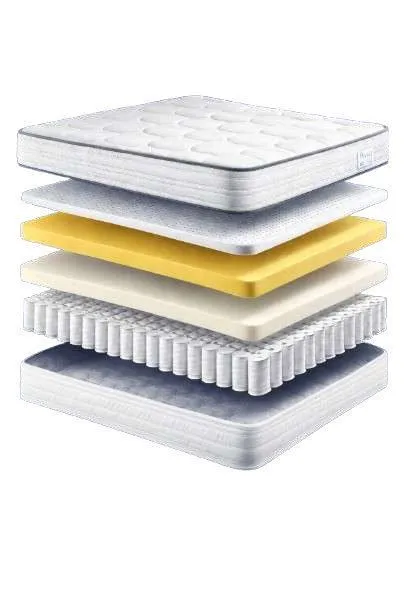
The mattress
- A dip you can see or feel where people sleep.
- Springs you can feel, or that creak.
- Sagging edges: guests slide off when they sit on the edge of the bed.
- Stains or smells that the mattress protector hasn’t stopped.
Pillows and duvets
- A pillow that doesn’t recover its shape after being folded in half.
- A flattened duvet, with areas where the filling has gone.
- Yellowing or a smell that persists after washing.
Guest reviews
Words like “back”, “slept badly”, “mattress” or “dip” in reviews are warning signs. Track them room by room: one tired bed can drag down the rating of the whole property.
What extends the life of bedding
- A mattress protector, on every bed and washed regularly.
- Rotation: turn the mattress head to foot (and over, if the model allows) at regular intervals.
- A topper: it takes the surface wear and is easier to replace than the mattress. Some mattresses even have a removable zip-on topper.
- A good bed base: a sagging base wears out the mattress prematurely.
- Handling: use the handles and never fold mattresses.
See our mattress toppers and our guide to bed bases.
Planning the replacement
Rather than replacing one bed at a time, plan in batches:
| Step | What to do |
|---|---|
| Inventory | Record the age and condition of every mattress, room by room |
| Priorities | Start with the rooms that get complaints |
| Batches | Replace floor by floor or by room type |
| Timing | Make use of low-occupancy periods |
| Logistics | Coordinated delivery and removal of the old bedding |
Replacing in batches gets you better terms and makes comfort consistent across the whole hotel.
Using the replacement to move upmarket
Replacing the bedding is an opportunity to:
- move to larger sizes (160 × 200 instead of 140 × 190) if the rooms allow;
- install twin beds that can be pushed together for more flexibility;
- choose a comfort level better suited to your guests (see how to choose a hotel mattress);
- review your pillows and duvets (our guide).
And the rest of the room?
When you replace the bedding, it’s often the right time to look at the headboard, bedside tables or furniture. Our custom furniture is made and delivered within 4 to 6 weeks: one partner for both bedding and furniture keeps the project simple.
In short
- Watch for signs of wear and guest reviews.
- Protect and rotate mattresses.
- Plan in batches, during quiet periods.
Bedding lead time: about 4 weeks. Send us your bed inventory and we’ll suggest a replacement plan, with a quote within one working day.