In a senior residence or care home, a chair is much more than a piece of furniture: it’s a tool for independence. Residents should be able to sit down and get up on their own, safely, in a warm setting that doesn’t feel like a hospital. Here are the criteria to keep in mind.
Armrests come first
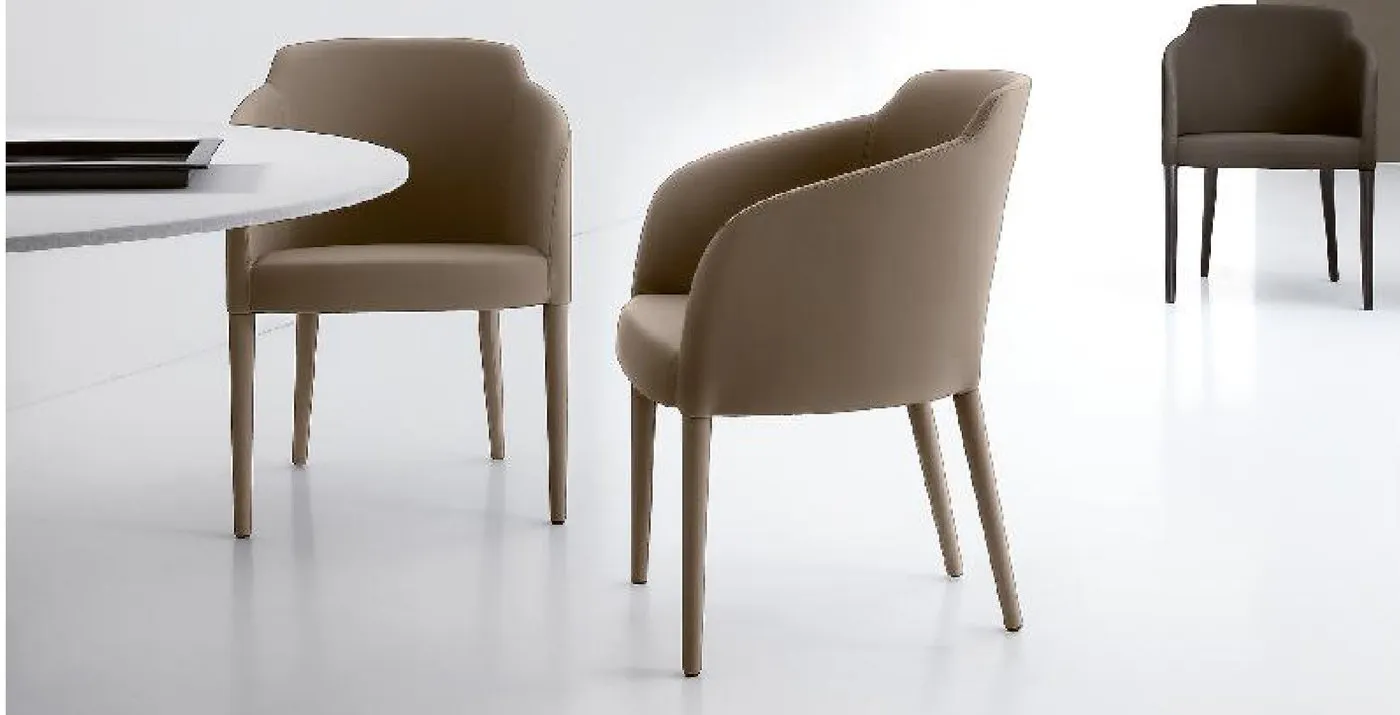
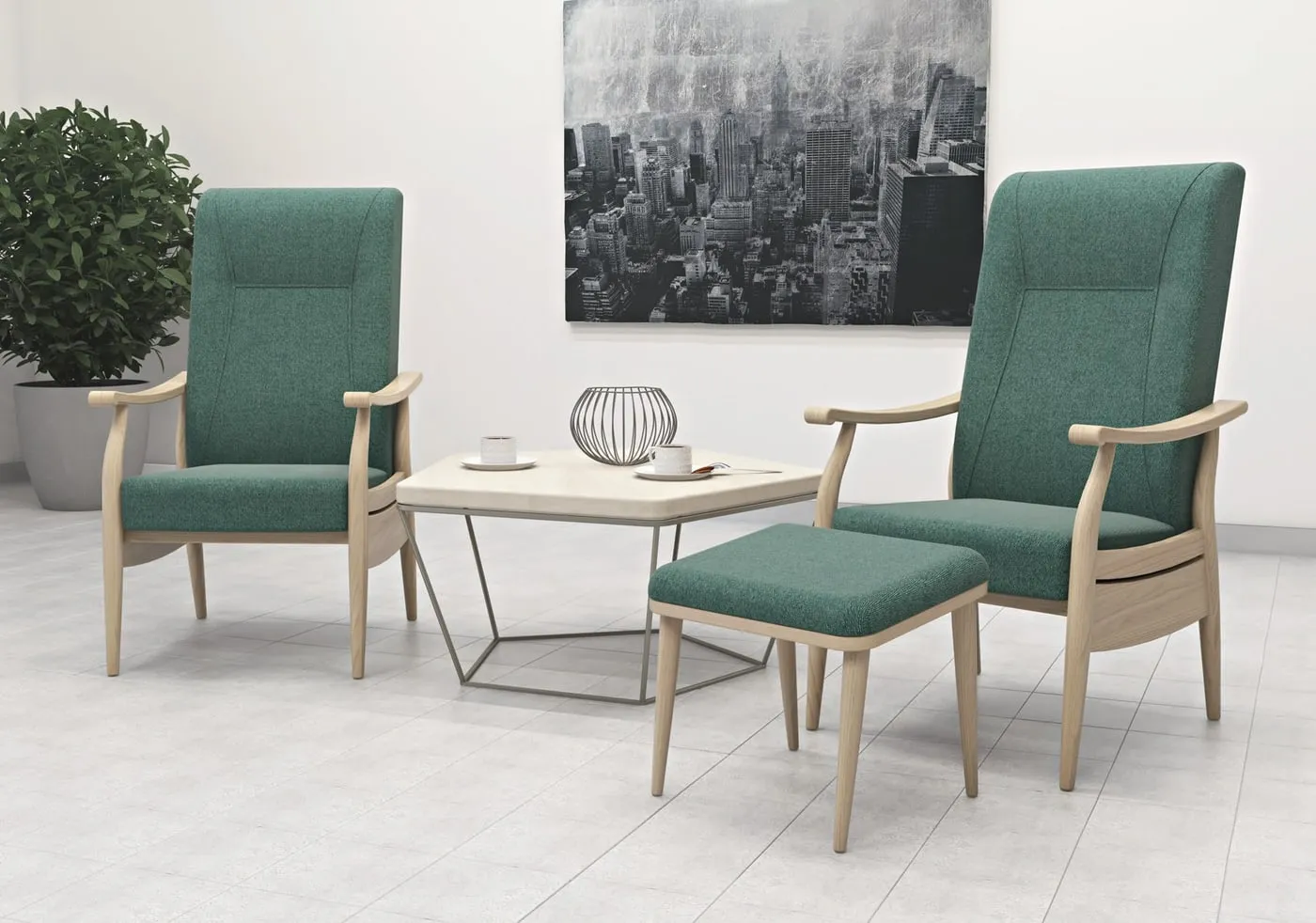
The first criterion for seating for older people is the armrests:
- long, to push up from when getting to their feet;
- strong and securely fixed, because they take part of the body’s weight;
- at the right height, so the forearms rest naturally.
A chair without armrests may suit independent residents in the dining room, but most areas should offer seating with supportive armrests.
Seat height and depth
- A seat slightly higher than usual (often around 46 to 50 cm) makes it easier to go from sitting to standing.
- Moderate depth: a seat that’s too deep makes people slump and makes getting up difficult.
- A firm seat: one that’s too soft “swallows” the person.
Recliners, risers and high backs
| Seating | Role | Who for |
|---|---|---|
| Chair with armrests | Meals, activities | Independent residents |
| High-back armchair | Support for the back and neck | Lounges, bedrooms |
| Recliner | Resting with legs raised | Bedrooms, lounges |
| Electric riser chair | Help to stand up | Residents with reduced mobility |
| Wingback chair | Lounge comfort, a homely feel | Lounges |
Our range of senior living seating covers these uses, with useful options: headrest cushion, back handle for staff, synchronised or riser motors, and castors with brakes.
Hygiene
- Waterproof upholstery that’s easy to clean and disinfect: faux leather, treated fabrics.
- Removable cushions where possible.
- Space under the seat to make cleaning easier.
Our fabric collection lets you filter for collections suited to the healthcare sector, with their treatments and fire ratings.
Safety
- Stability: the chair mustn’t tip when someone leans on an armrest.
- No sharp corners.
- Castors with brakes for chairs that are moved around.
- A back handle so staff can move the chair without lifting it.
A home, not a hospital
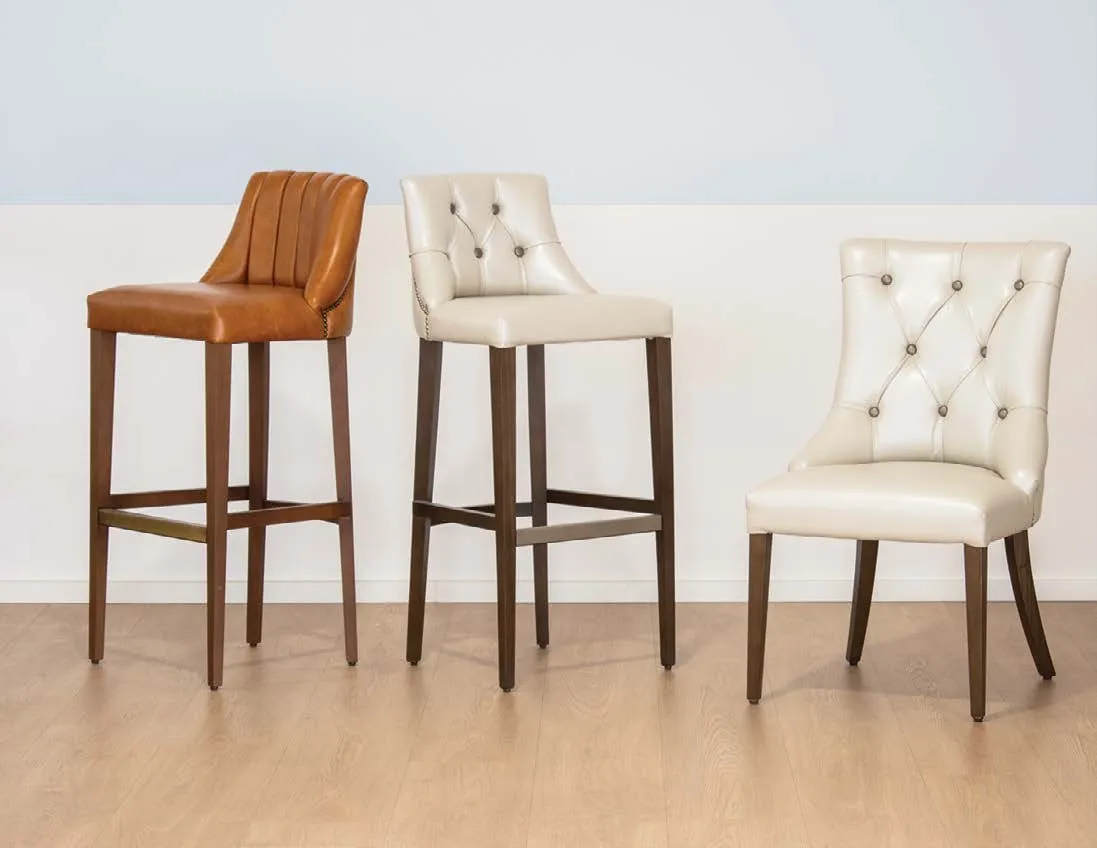
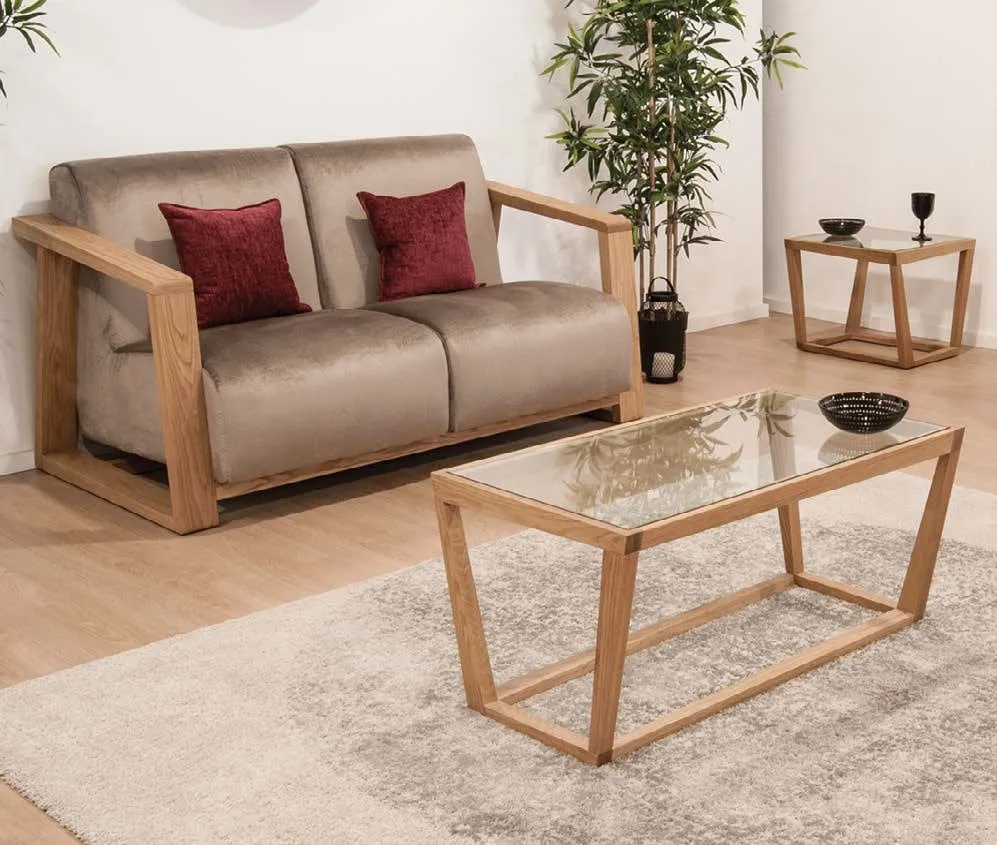
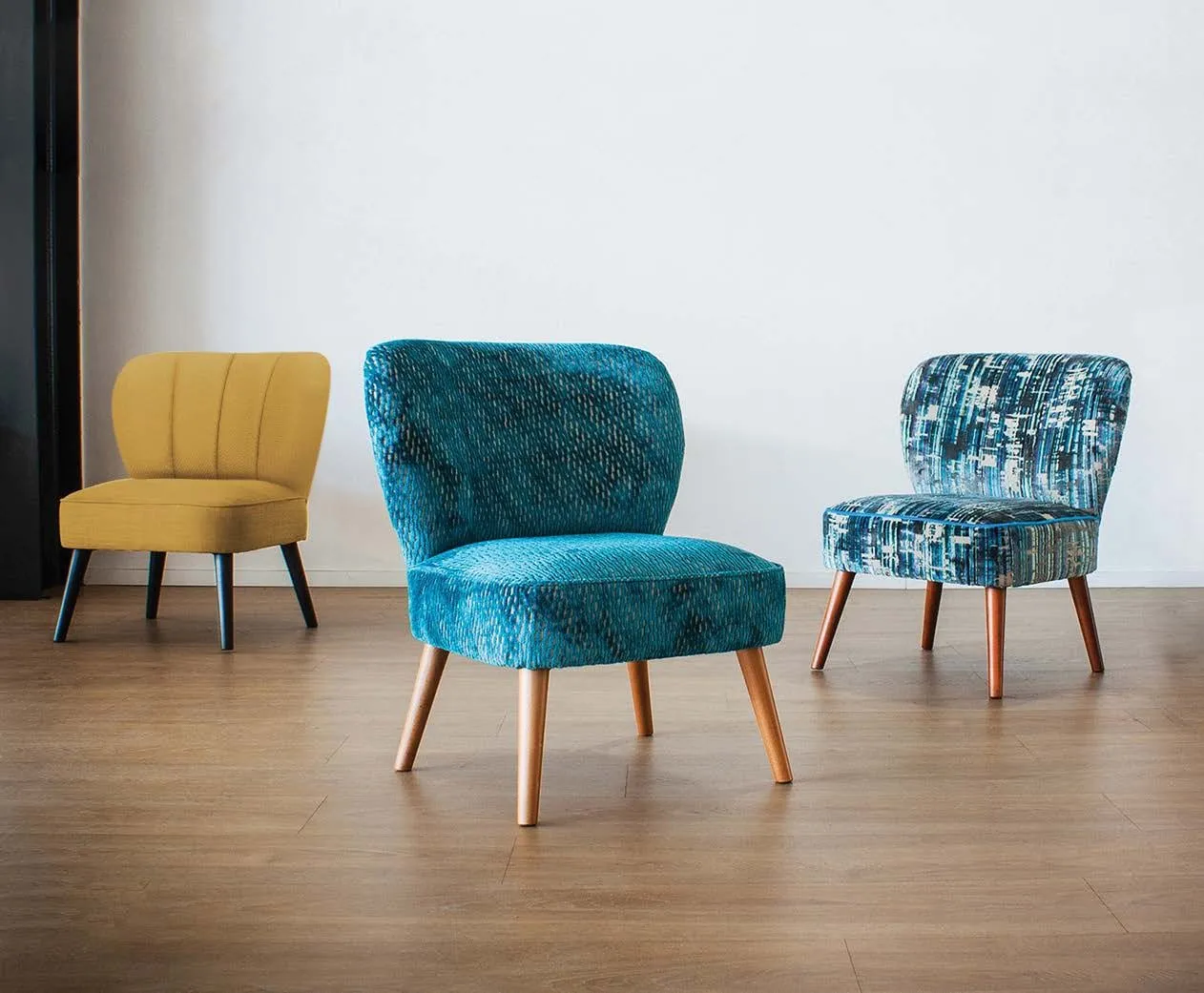
Exposed wood, warm fabrics, living-room shapes: seating designed for older people can also be beautiful. That’s what families look for when they visit a residence.
Think about the whole residence
- Dining room: chairs with armrests and tables at the right height (see how to choose a table).
- Lounges: wingback chairs, high-back armchairs.
- Bedrooms: a recliner or riser chair.
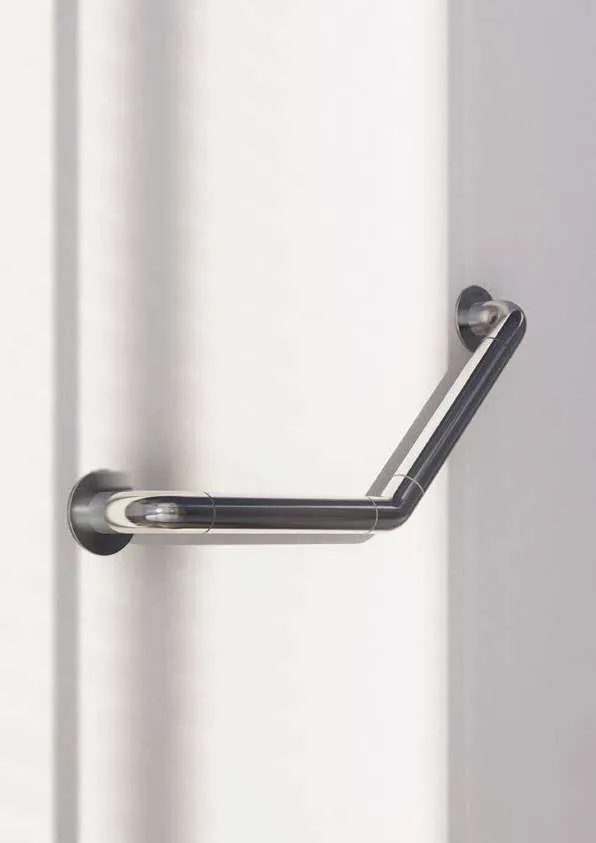
- Bathrooms: grab bars and shower seats, covered in our guide to accessible rooms.
In short
- Supportive armrests.
- A seat that’s a little higher and firm.
- Recliners and risers for rest and independence.
- Upholstery that can be disinfected.
Lead time: 4 to 6 weeks. Send us the list of your spaces and we’ll suggest a selection of seating, with a quote within one working day.