Furnishing a hotel means fitting out dozens of identical rooms that will be used every day for years. A design or ordering mistake is therefore repeated across the whole series, and paid for over a long time. Here are the eight mistakes we come across most often, and how to avoid them.
1. Buying domestic furniture
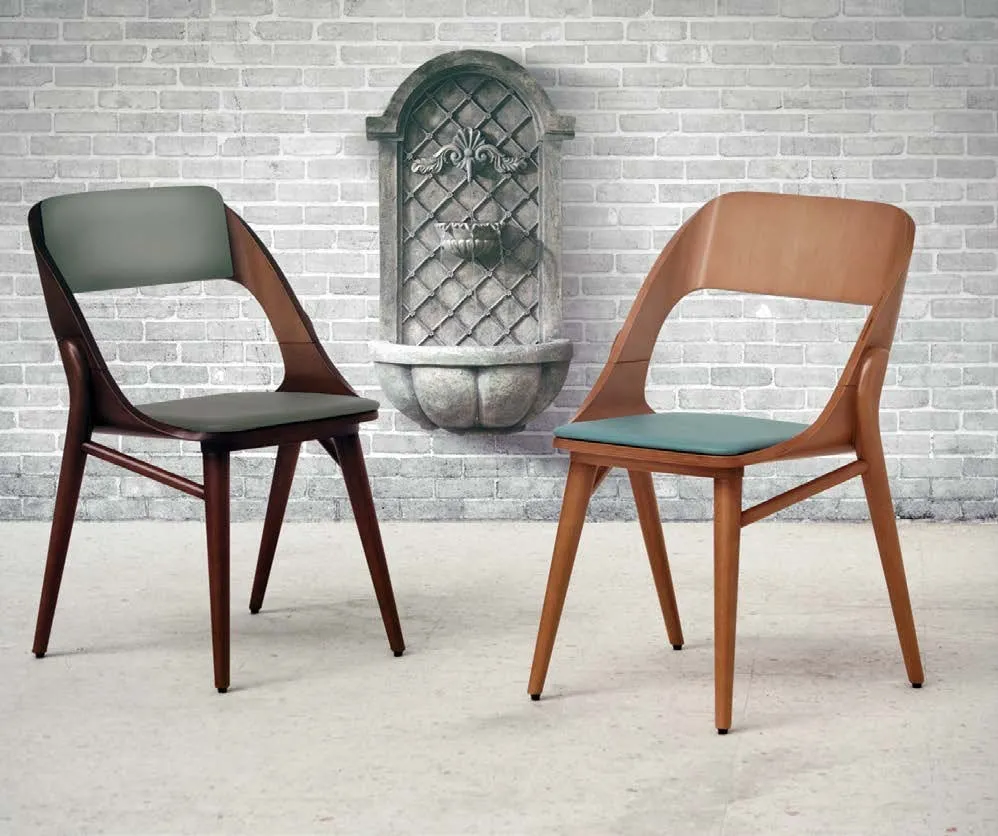
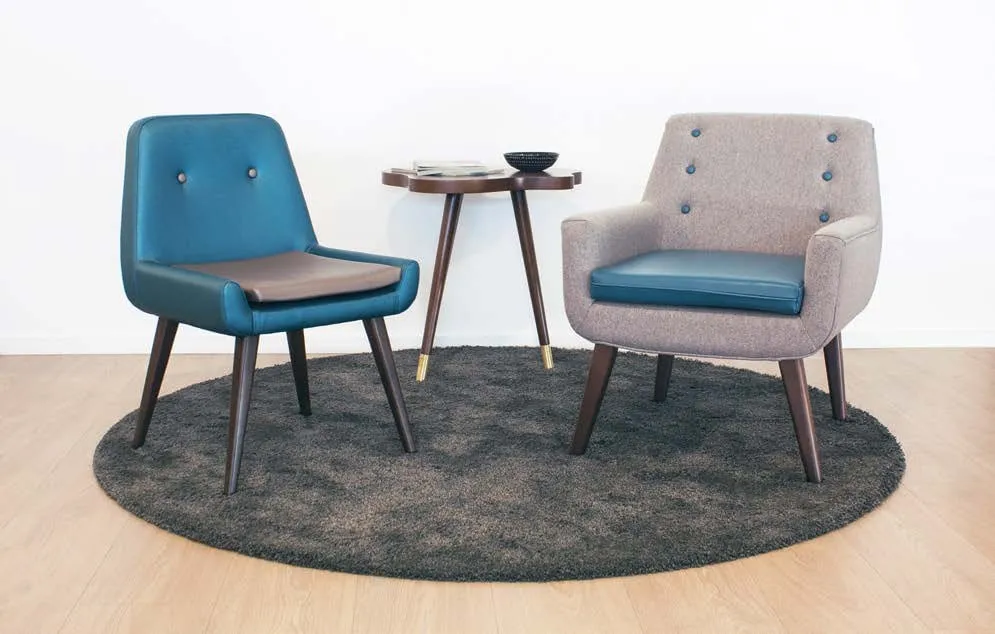
Furniture designed for the home is not made for hotel use: suitcases dropped on it, chairs pulled and tilted back, daily cleaning with strong products. Edges peel, hinges give way, fabrics pill. Hotel furniture stands apart through reinforced structures, protected edges, robust hardware and fabrics tested for commercial use and fire safety. On that last point, see our article on fire-rated hotel fabrics.
2. Designing without measuring each room type
Two rooms that look identical on the plan are not always identical on site: a beam, a radiator or an off-centre window is enough to block a piece of furniture. Before designing, have every room type measured, including door openings and socket positions.
3. Forgetting circulation and cleaning
A well-chosen piece in the wrong place gets in the guest’s way and slows housekeeping down. Keep comfortable passages around the bed, avoid corners that cannot be cleaned, and prefer wall-hung pieces or high legs so the floor can be vacuumed underneath.
4. Overlooking sockets and lighting
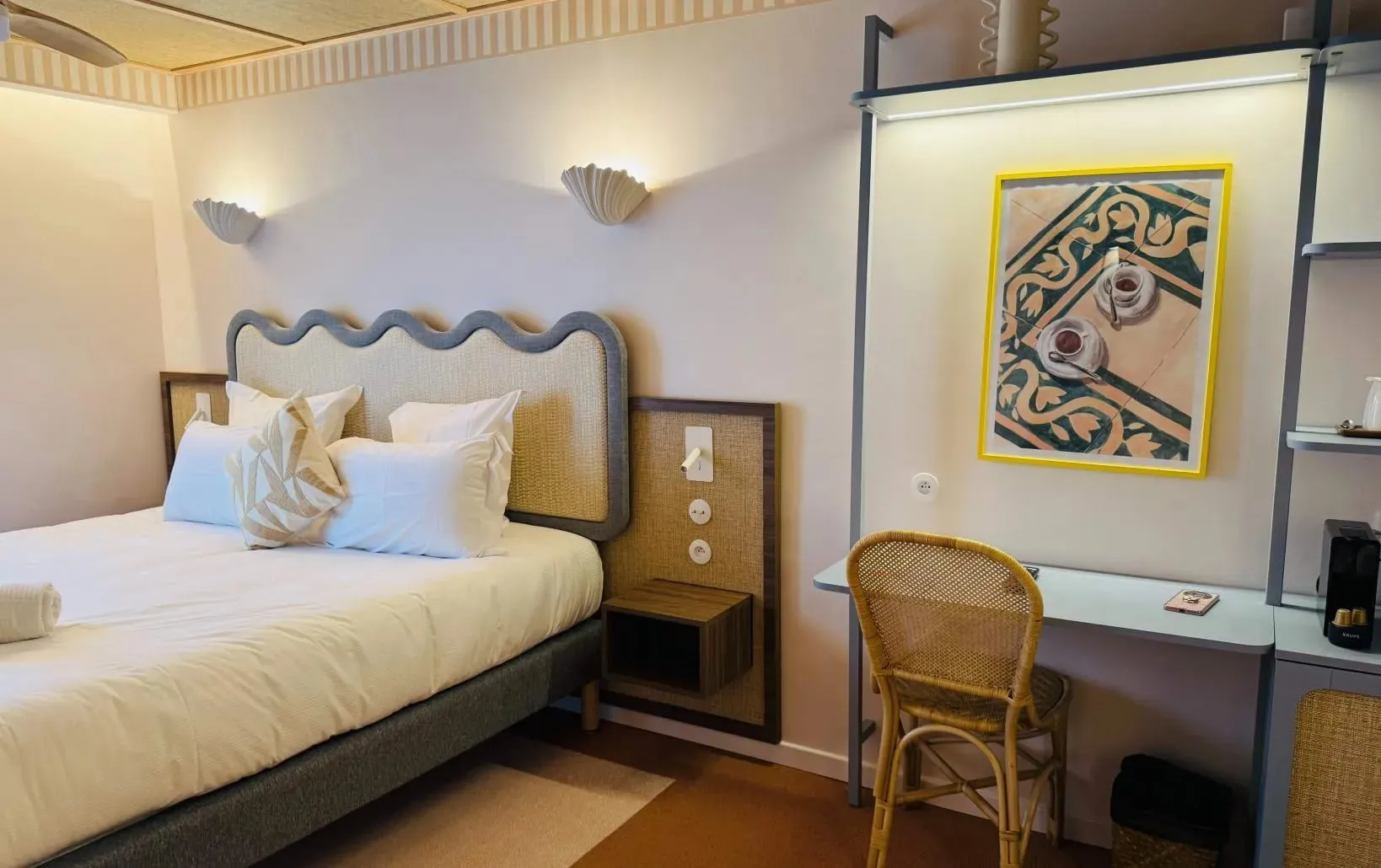
After bed comfort, guests most often complain about sockets out of reach and poor lighting. Reading lights, USB sockets near the bed and desk, and switches within reach are planned in the furniture drawings, with the electrician, not after installation.
5. Skipping the mock-up room
The mock-up room lets you see, touch and test the furniture before launching the series. A headboard that is too high, a desk that is too deep, a colour that does not look as expected: corrected at this stage, these details cost little. Discovered on 50 rooms, they cost a lot.
6. Ordering too late
Made-to-measure hotel furniture usually takes 5 to 7 weeks to manufacture, after design and mock-up approval. An order placed at the last minute puts the opening date at risk or extends the works. Build the order into your works schedule from the start.
7. Splitting furniture, bedding and equipment
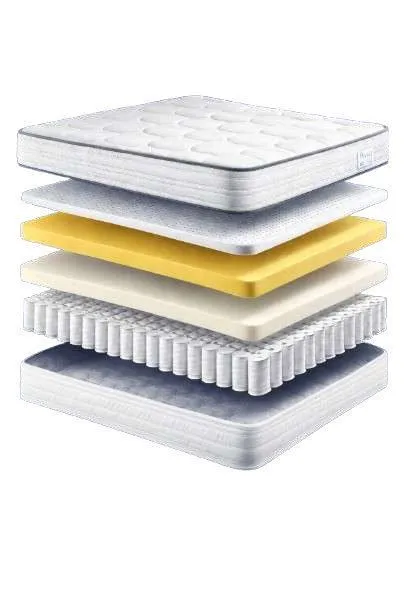
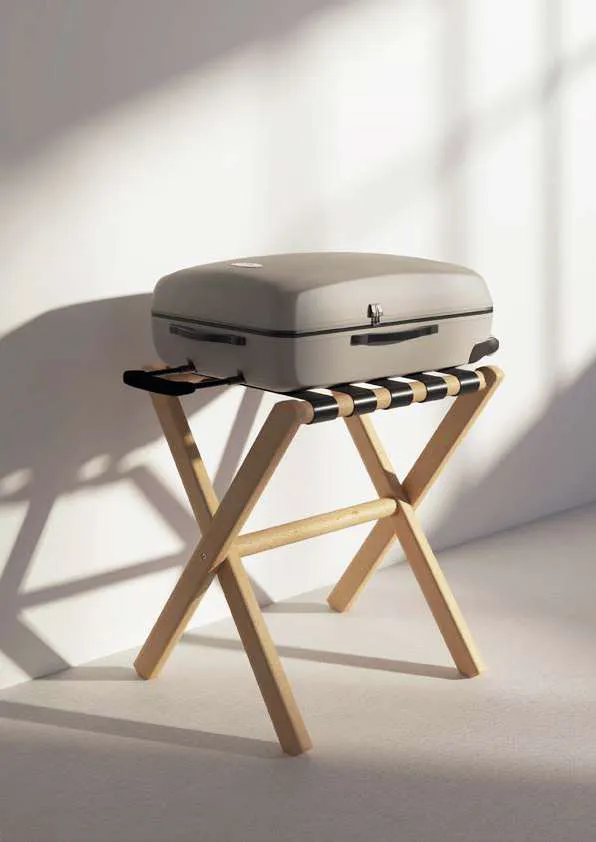
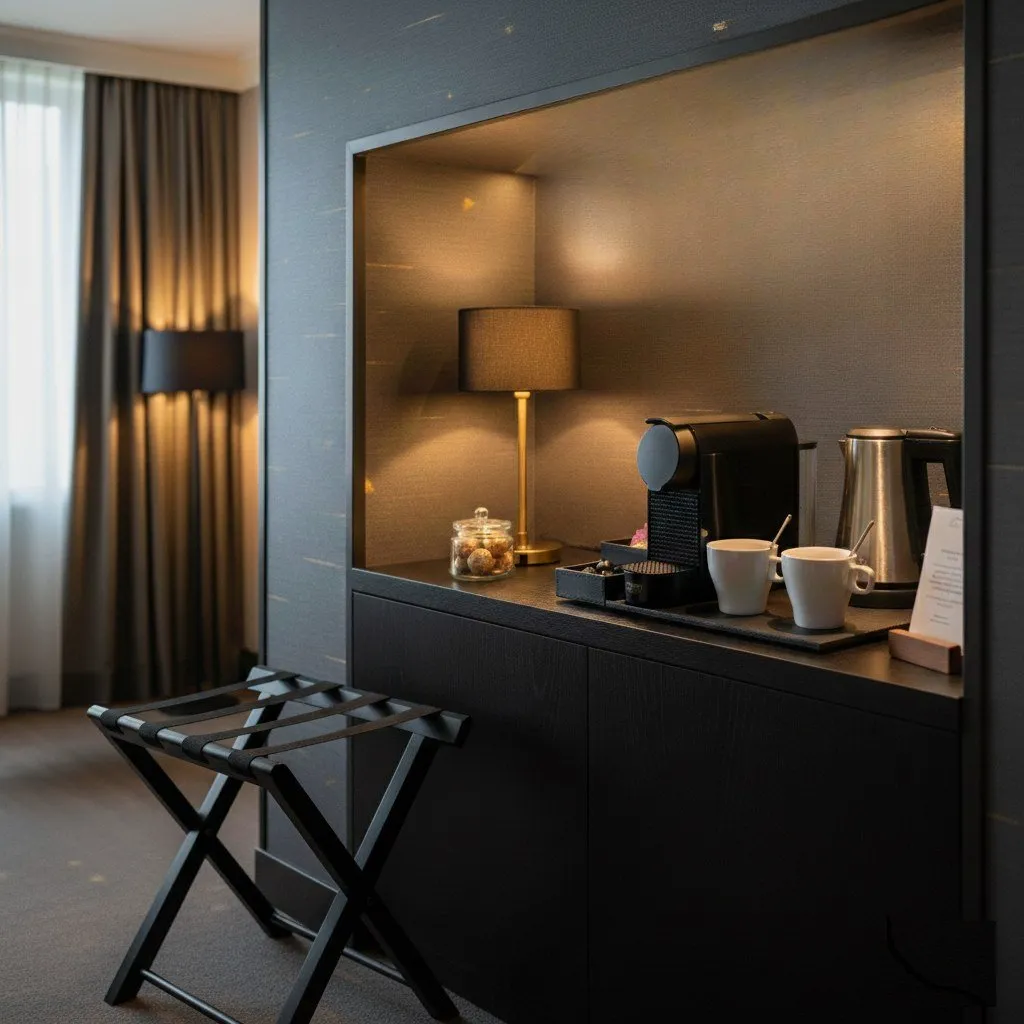
Headboards from one supplier, mattresses from another, minibars and luggage racks from a third: each delivery has its own schedule and contact, and the dimensions do not always match. A single supplier for custom furniture, bedding and equipment makes coordination, installation and after-sales service simpler.
8. Looking at purchase price rather than lifetime cost
Cheaper furniture that has to be repaired or replaced after a few years costs more than robust furniture that lasts. Compare offers on lifespan, availability of spare parts and ease of maintenance, not only on unit price.
Further reading
Our sister site dedicated to custom furniture details each stage of a project (in French): furnishing a hotel from A to Z and why a mock-up room.